
A parasol is essential for staying comfortable in the sun
A parasol is a simple and practical way to create shade and enjoy more time outdoors during warmer weather. At JYSK, the collection includes parasols and parasol umbrellas designed for patios, balconies, terraces, and gardens of different sizes. From classic garden umbrellas for outdoor dining tables to cantilever parasols that provide flexible shade over lounge furniture, parasols help make outdoor spaces more comfortable throughout the day.
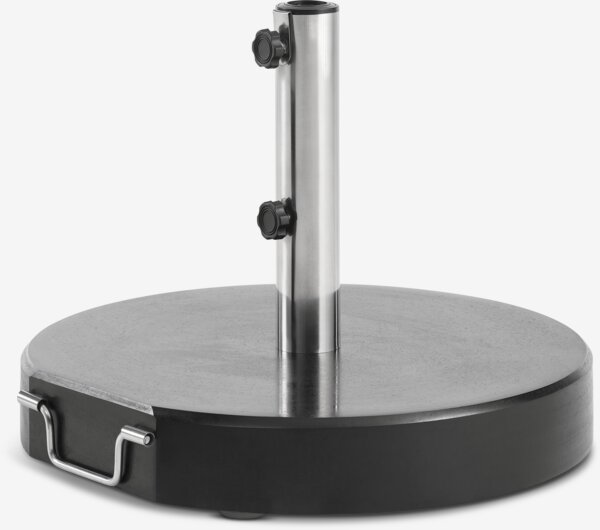
Available in a range of colours, materials, and sizes, many garden parasols also include practical features such as tilt functions and easy crank systems for adjustable shade as the sun moves. Pair your outdoor umbrella with a suitable parasol base to help keep it stable in changing Irish weather conditions.
Garden parasols for outdoor living
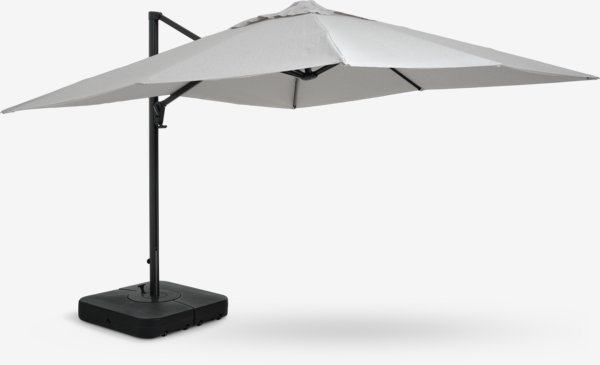
No outdoor dining area or patio seating arrangement feels complete without a garden parasol. A thoughtfully chosen parasol umbrella provides shade when the sun is strongest while also helping define a comfortable outdoor seating area. JYSK offers both classic garden umbrellas with a central pole and larger cantilever parasols, sometimes called hanging parasols or overhanging parasols, which position the canopy above seating without a pole in the middle.
A centre-pole patio umbrella is ideal for positioning through the middle of a dining table, where it provides balanced shade for meals outdoors. Larger spaces may benefit from a large parasol or a cantilever parasol, which can be rotated or adjusted to follow the sun. Tilting designs, such as a tilting parasol or crank and tilt parasol, allow you to angle the canopy easily for shade throughout the day.
To create a cohesive outdoor space, a parasol pairs beautifully with garden furniture, outdoor cushions, and decorative lighting, helping transform patios and terraces into inviting summer living areas.
When to use a parasol?
A garden parasol or sun umbrella is most useful when you want to enjoy time outdoors while staying comfortable in the shade. During bright summer days, a patio umbrella creates a cooler seating area where you can relax with family, enjoy meals outside, or spend time reading in the garden.
Parasols are also practical for family gardens. A large parasol can create a shaded play area for children, while a balcony parasol works well in compact outdoor spaces such as apartments or small terraces. Even a beach parasol can be used in the garden when you want a lightweight, portable shade solution.
Although parasols protect from direct sunlight, they can also offer brief shelter from light drizzle. As with any outdoor umbrella, it is recommended to close the parasol during strong winds or when not in use to keep it in good condition.
How to choose the right parasol
Selecting the right parasol depends on the size of your outdoor area and how you plan to use it. A classic garden parasol with a central pole is often the most practical choice for patios or dining tables, especially if the table includes a parasol opening. These models are easy to position and often include adjustable height or tilt features.
For larger patios or lounge areas, a cantilever parasol, also known as a hanging parasol or overhanging parasol, offers greater flexibility. The offset design allows the canopy to extend over seating areas without obstructing the space underneath. Many of these models can rotate or tilt to provide shade exactly where it is needed.
Smaller outdoor spaces can benefit from a balcony parasol, which is designed to sit close to walls or railings while still offering comfortable shade. When planning your setup, consider the canopy size, the direction of sunlight during the day, and the available floor space.