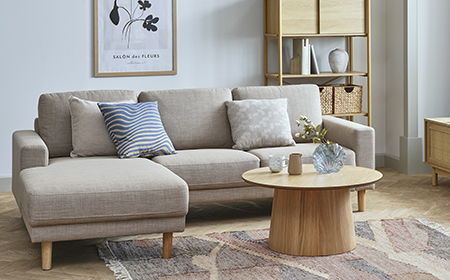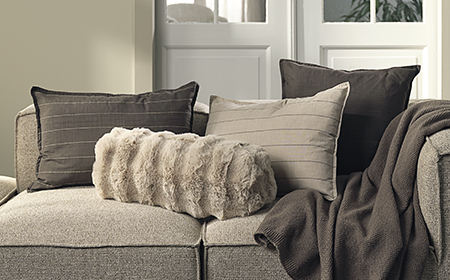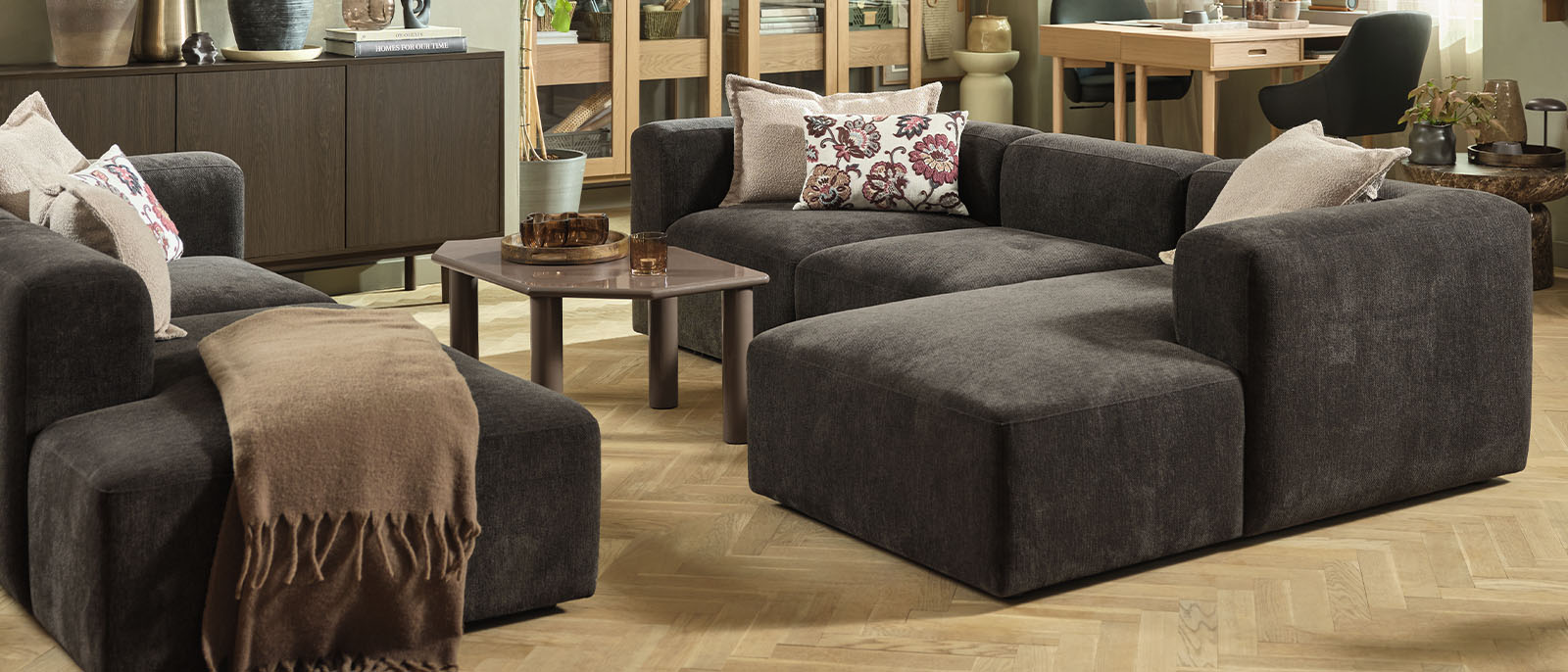
Choosing the right sofa can be a big decision. It needs to fit your space, provide enough seating, and suit how you like to use your living room – both now and in the future. Modular sofas give you more freedom to create a seating arrangement that works for your home, with the option to change the configuration as your needs change.
What is a modular sofa?
A modular sofa is a sofa made up of separate upholstered sections, or modules, that can be combined in different ways to create a seating arrangement that suits your space and needs.
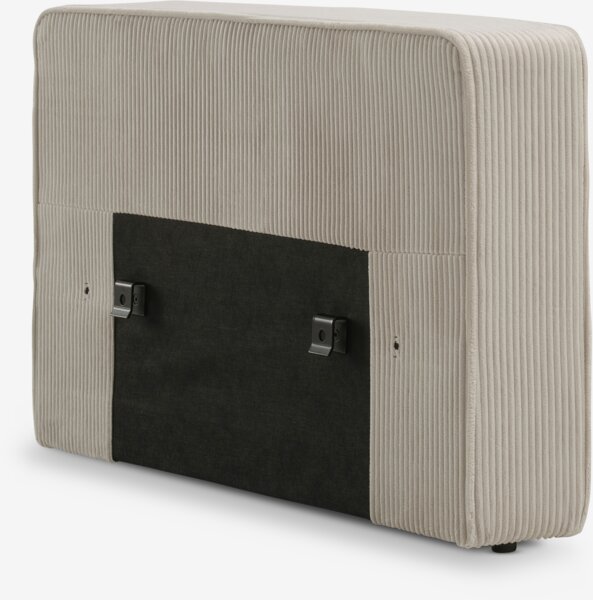
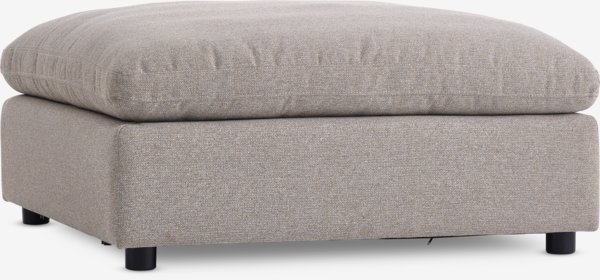
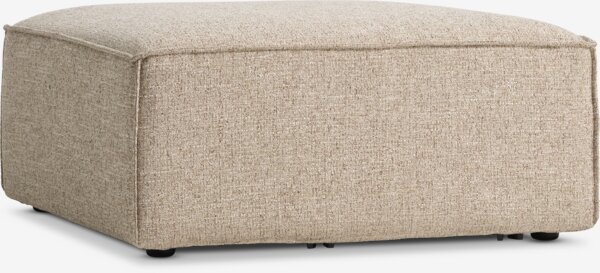
Depending on the design of the specific sofa series, available modules may include:
- Corner modules: Create the corner of an L-shaped or larger sofa
- End modules: Form the ends of the sofa or create individual seating
- Centre modules: Extend the sofa and add more seating
- Chaise longue modules: Provide extra space to stretch out and relax
- Pouffe modules: Add flexible seating or a place to put your feet up
Unlike a traditional sofa with a fixed shape, a modular sofa consists of individual sections that can be combined and rearranged. This gives you the freedom to create a seating arrangement that suits your home and how you want to use it.
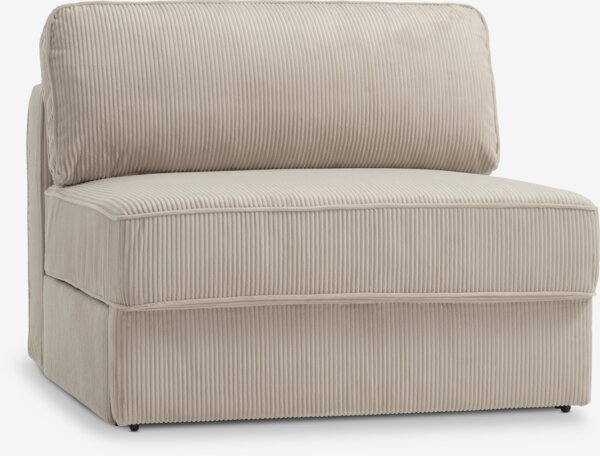
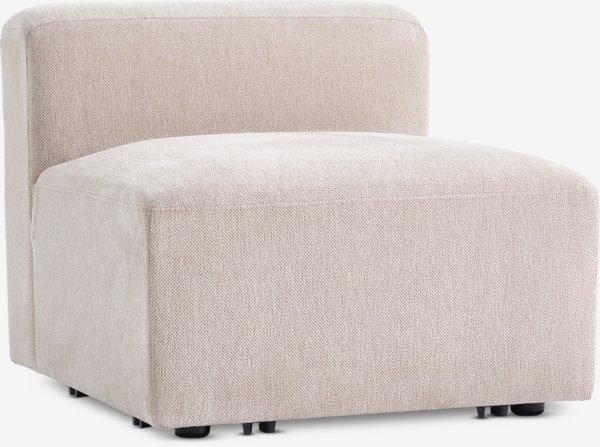


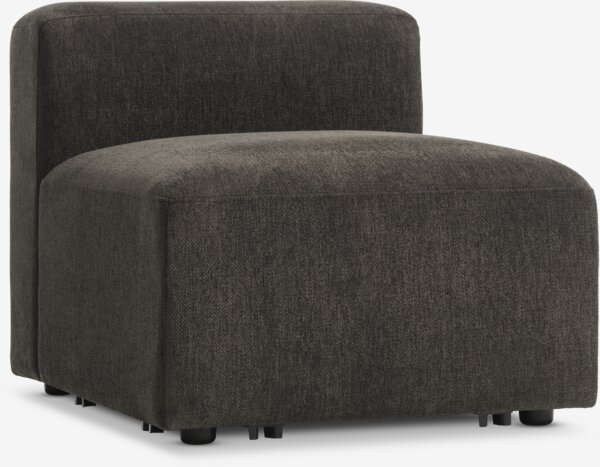


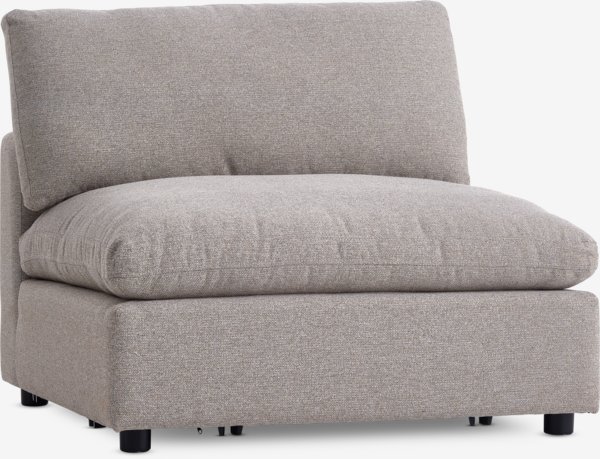
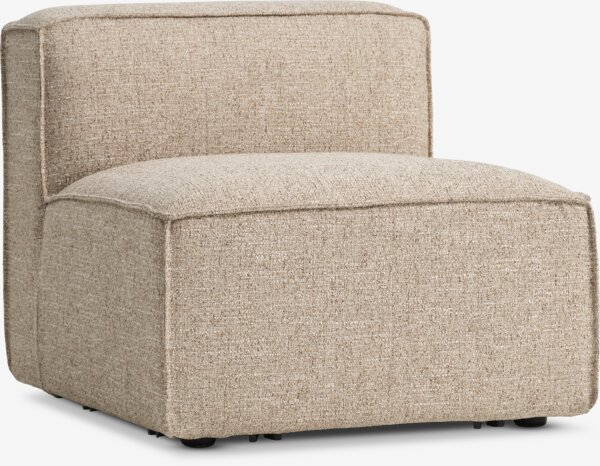
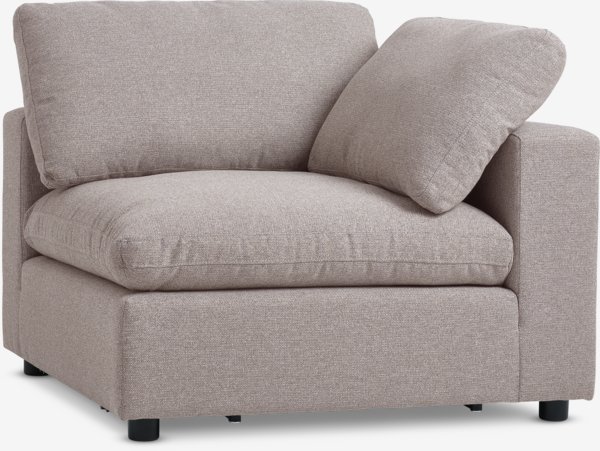
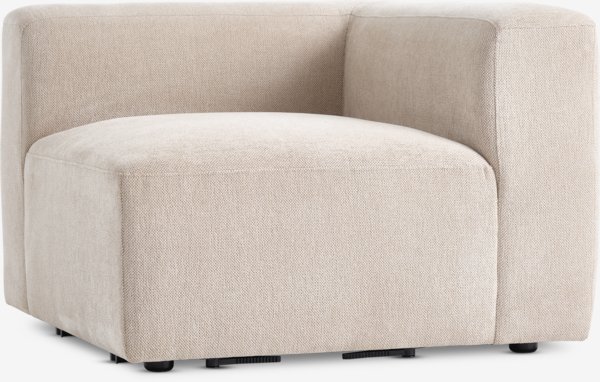


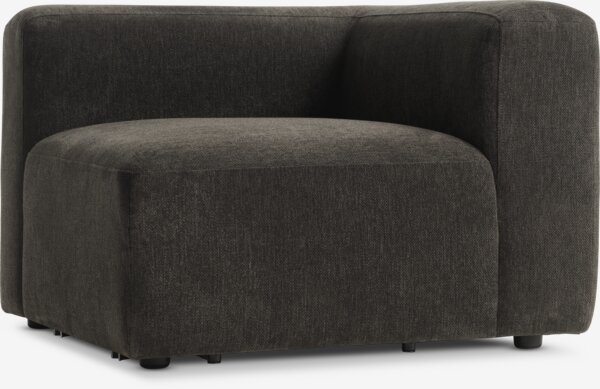


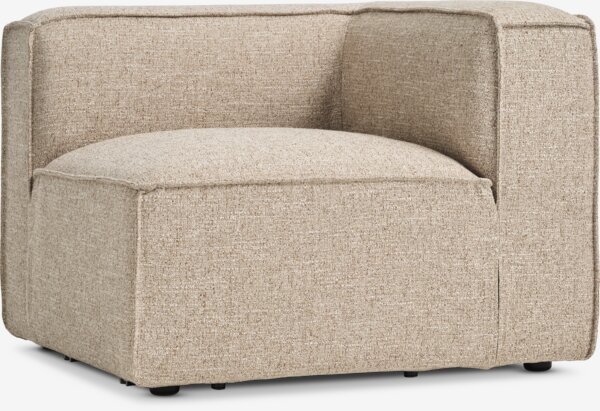
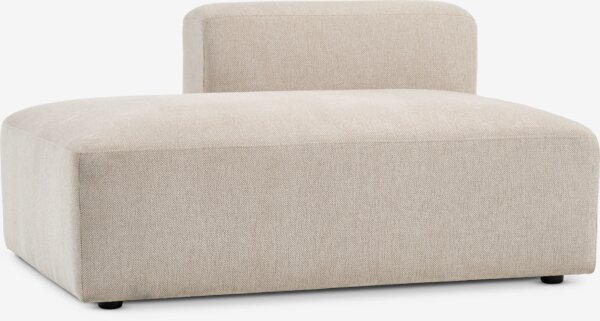


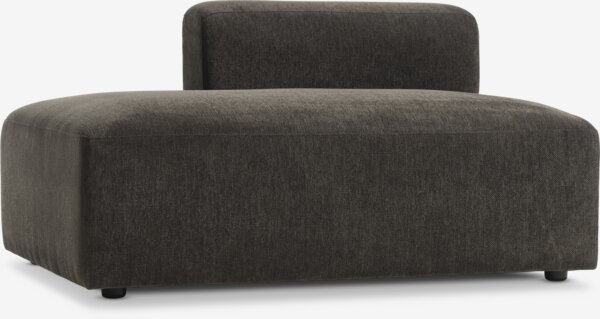
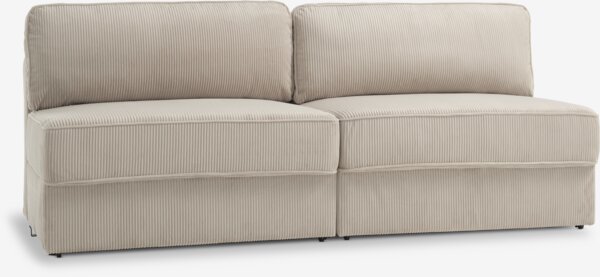
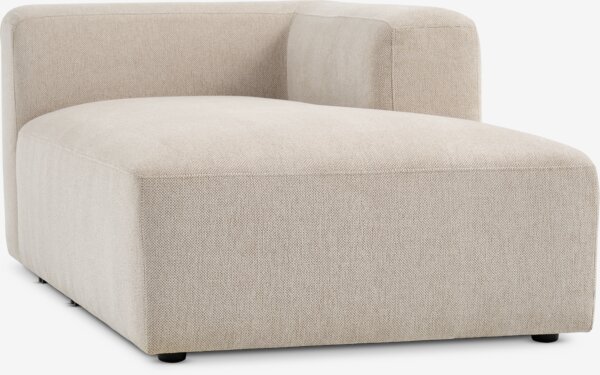


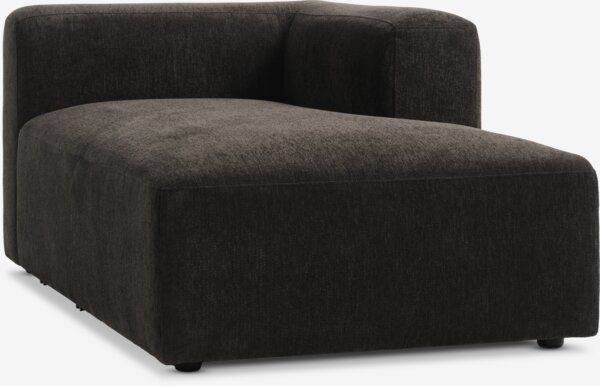
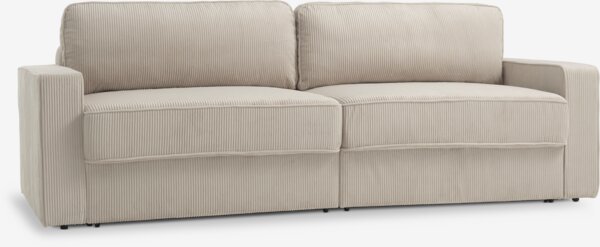
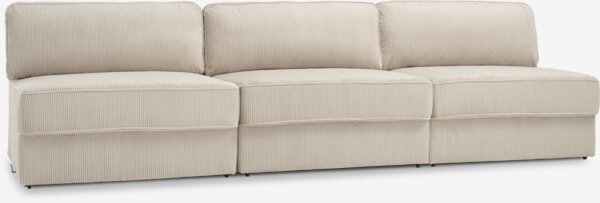
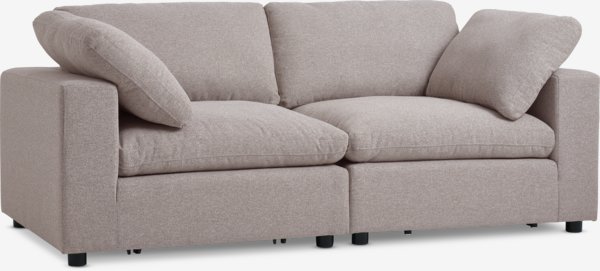
Create a sofa that fits your space
The flexibility of individual modules means you can build a seating arrangement around your room, rather than choosing a sofa with a fixed shape and size. Consider how much seating you need, how much floor space you have available, the shape and layout of the room, and how you want to use the space.
- Small living rooms
Use fewer modules to create a seating arrangement that works well in smaller spaces without taking up more floor space than necessary. - Large living rooms
Add modules to create a spacious lounge area with plenty of seating for family and guests. A modular corner sofa can make particularly good use of the available space. - Open-plan rooms
Use the configuration to help define the living area without physically dividing the room. - Unusual layouts
Combine individual modules to create a seating arrangement that works with the shape and layout of your room.


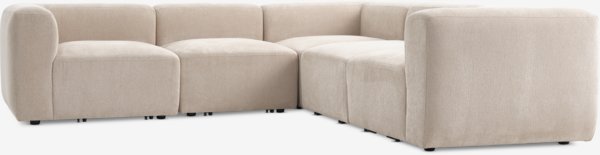


Change the configuration when your needs change
Your ideal sofa configuration today may not be the one that suits you in a few years. With a modular sofa, you can think of your current setup as the right configuration for now – with the option to change it as your needs and circumstances change.
Over time, you might want to:
- Rearrange your living room and create a different layout
- Move to a new home where the available space calls for a different configuration
- Accommodate more guests by adding modules or creating more seating
- Create a different lounging arrangement as your preferences change
- Adapt to a different use of the room, such as using the space for relaxing, entertaining, or both
This flexibility can make a modular sofa a more future-proof choice. Instead of choosing a sofa based solely on what works for your home today, you can choose a solution that has the potential to adapt as your home and needs change.
Find the configuration that suits you
Different configurations can suit different needs and ways of using your living room. For example:
- Straight configuration: A classic choice for a simple, traditional sofa setup
- Chaise configuration: Ideal when you want more room to stretch out and relax
- Corner or L-shaped configuration: Creates a sociable seating area with plenty of space
- Several individual modules: Gives you more freedom to create and adjust your own configuration
If you have an idea of what you want, explore our modular sofa assortment to find different sofa series and the sets and individual modules available for each series. If you’re still undecided on whether a modular sofa is the right choice for you, explore our assortment of regular sofas or check out our ultimate guide to choosing the right sofa for your home.
Frequently asked questions about modular sofas
What is the difference between a modular sofa and a regular sofa?
The main difference is that a modular sofa is made up of separate sections, or modules, that can be combined and rearranged to create different configurations, while a regular sofa has a fixed shape and configuration. Modular sofas therefore offer more flexibility if you want to change your seating arrangement as your space or needs change.
What are the pros and cons of modular sofas?
The main advantage of a modular sofa is its flexibility. You can choose a configuration that suits your space and, depending on the sofa series, rearrange it or add modules as your needs change. A potential downside is that modular sofas can require more planning when choosing the right combination of modules, and not every configuration is available for every sofa series.
What are the different types of modular sofas?
Modular sofas can be arranged in different configurations depending on the available modules and your space. Common options include straight sofas, chaise configurations, corner or L-shaped sofas, as well as arrangements made from several individual modules. The exact configurations available depend on the specific sofa series. In our assortment, you'll also find many of these options as premade setups, so you don't have to combine individual modules from scratch yourself.
How do modular sofas stay together?
The way modular sofa sections are connected depends on the specific sofa series. Check the product information for the sofa you are considering for details on how the individual modules are assembled and configured.
Are modular sofas worth it?
Modular sofas can be worth considering if you value flexibility and want a sofa that can adapt to changes in your home or lifestyle. They are particularly useful if you expect to rearrange your living room, move home, accommodate more guests, or change how you use the space. If you prefer a fixed sofa configuration and do not expect your needs to change, a regular sofa may be a simpler choice.