

We spend roughly a third of our lives in bed, making sleeping products some of the household items we spend the most time in contact with. If allergies are something you need to consider, choosing and caring for these products can therefore become an important part of maintaining your bedroom environment.
In this guide, you'll learn which product characteristics are worth considering when choosing and maintaining sleeping products if allergies are relevant to your needs.
What to look for in sleeping products if allergies are important to you
When choosing sleeping products, you may come across products described as anti-allergy duvets and anti-allergy pillows. Several product characteristics can help you assess whether a product is suitable for your needs if allergies are something you need to consider.
Duvets and pillows
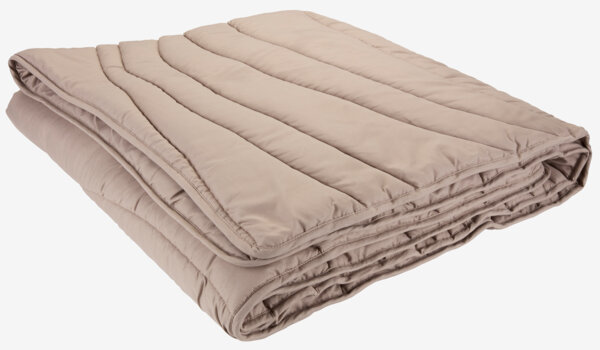
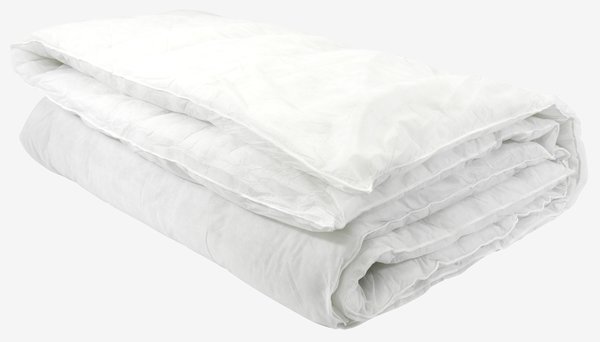
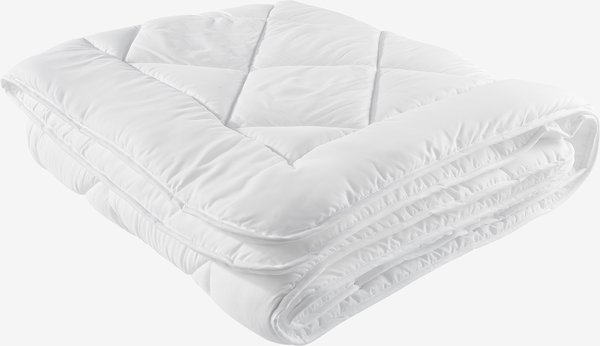
- Natural and fibre filling
While some people simply prefer one type over the other, some are sensitive or allergic to down and feather fillings. In these cases, duvets and pillows with synthetic fibre filling or other natural fillings, such as silk or kapok, may be worth considering. - Fabric casing
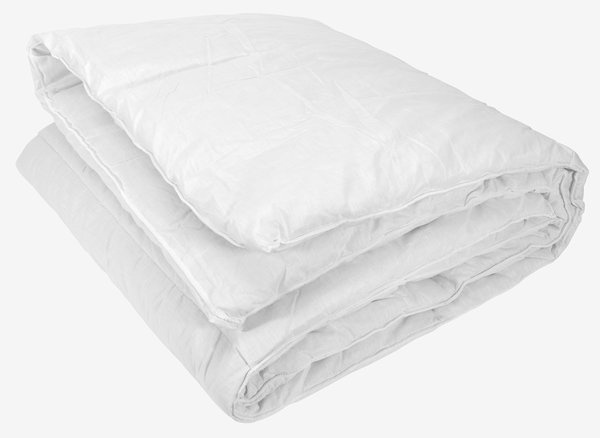
The fabric casing of certain duvets and pillows is tightly woven to make it more difficult for dust mites to penetrate the casing. You can identify such products by looking for the NOMITE® label or references to tightly woven casing in the product description. Products with these characteristics may also be described as anti-allergy. - Washability
Washability is another useful characteristic to consider. Some duvets and pillows can be washed at 60°C, which helps eliminate dust mites, while others can be washed at 90°C to eliminate both dust mites and bacteria. Be sure to check the recommended washing temperature in the product description to match your needs.
Mattress protectors
Mattress protectors can help keep your mattress cleaner by creating a removable, washable barrier that helps protect it from everyday wear. Some also provide protection against spills and moisture. Look for characteristics such as washability and waterproof protection to find the right one for you.
How certifications can help you compare products
Certifications can make it easier to identify characteristics that may be important to you when choosing sleeping products. They also show that a product has been tested against specific standards.
Examples include NOMITE®, which identifies products with tightly woven casing designed to make it more difficult for dust mites to penetrate, and OEKO-TEX®, which means the product has been tested for harmful substances and meets strict limit values. If you'd like to learn more about OEKO-TEX®, we've covered it in more detail here.






How to care for sleeping products with allergies in mind
Choosing suitable sleeping products is only the first step. Following the recommended care instructions helps keep them clean and in good condition for longer.
Washing and drying
- Follow washing temperature recommendations
If you're wondering how to get rid of dust mites, appropriate washing can help. Washing at 60°C helps eliminate dust mites, while washing at 90°C also eliminates bacteria. Always follow the washing instructions for your individual duvet or pillow. - Choose a suitable detergent
Use a detergent suitable for the sleeping product and its materials and follow the recommended dosage to help avoid detergent residue remaining after washing. You may also wish to look for characteristics such as fragrance-free formulations or detergents recommended by recognised allergy organisations, such as Asthma Allergy Nordic and the Nordic Swan Ecolabel. - Dry thoroughly after washing
Make sure your duvet or pillow is completely dry before using it again, as remaining moisture can create conditions where mould and dust mites thrive. Always follow the drying instructions for the individual product.
Keeping your mattress clean
Unlike many other sleeping products, a mattress cannot simply be put in the washing machine. Using a washable mattress protector can therefore help keep the mattress itself cleaner.
You can also gently vacuum the mattress surface from time to time to remove dust, while always following the care instructions for your individual mattress.
Don't forget the wider bedroom environment
- Clean and vacuum regularly
Regular cleaning and vacuuming can help reduce the amount of dust that accumulates in your bedroom. Pay particular attention to surfaces and areas around your bed, as well as the bed itself, where dust can collect. - Air out the bedroom
Airing out your bedroom regularly helps replace humid indoor air with fresh air and prevent moisture from building up indoors. - Pay attention to humidity
Dust mites thrive in humid environments, so preventing humidity from becoming too high can help make conditions less favourable for them.
Learn more about choosing the right sleeping products
Understanding characteristics such as filling, fabric casing, washability, and certifications can help you make a more informed choice when allergies are important to you. When browsing our assortment, look out for features or characteristics in the product descriptions that relate to allergies.
If you'd like more guidance on choosing your sleeping products, explore our guides to choosing the right duvet, pillow, mattress and mattress protector.
For specialist information and advice about allergies, visit Asthma Allergy Nordic and the Nordic Swan Ecolabel.